(765) 278-5242
(765) 278-5242
Kartchner Property Services offers 2 types of septic inspections.
1) Dye and Tank Inspection.
This inspection is a comprehensive evaluation of your home’s wastewater system, designed to verify that the tank, drain field, and plumbing are functioning properly under real‑world conditions. Unlike a simple dye test, a full inspection provides a clear picture of the system’s internal health and structural integrity.
During a full septic inspection, the inspector will:
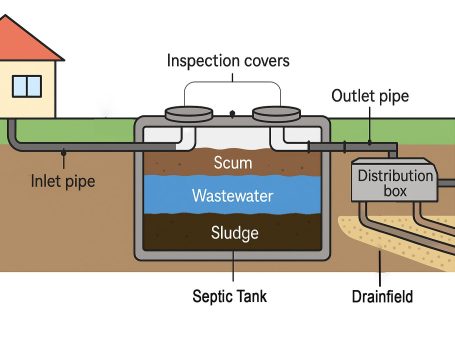
Expose and open the septic tank — This allows for a visual examination of the tank’s structure, baffles, and liquid levels. The inspector checks for cracks, corrosion, missing components, and signs of failure that cannot be detected from the surface.
Stress‑test the drain system — By running water through the home, the inspector places the drain field under load to see how well it absorbs and disperses wastewater. This helps identify slow drainage, backups, or early signs of drain field saturation.
Check for plumbing leaks — Leaks inside the home can overload the septic system without the homeowner realizing it. The inspection includes checking fixtures, drains, and supply lines for abnormal water flow. (Only included with a full home inspection)
Perform a dye test — A non‑toxic dye is introduced into the plumbing to help detect surface leaks or improper drainage. While useful, a dye test alone cannot reveal internal tank conditions or underground failures.
Pull county health department records — When available, these records provide valuable information about the system’s age, design, permits, and any past repairs or issues.
2) A dye test
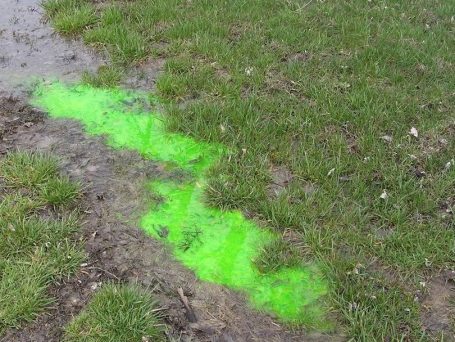
A simply dye test is a basic screening tool, not a full inspection. It involves flushing brightly colored, non‑toxic dye through the plumbing and watching the yard for signs of dyed effluent surfacing.
Dye tests can help confirm obvious failures—like wastewater already surfacing—or verify that new plumbing fixtures are correctly connected.
But dye tests have major limitations:
A system with a hole in the tank can pass a dye test because the liquid leaks underground instead of surfacing.
A simple issue like a broken distribution line can cause dye to surface, making the system fail even though the repair is minor.
Dye often won’t appear unless the system is already showing symptoms like standing water or backups.
Weather, soil cover, and water volume can obscure results or produce false negatives.
A dye test only tells you whether dyed water reaches the surface—not whether the tank is structurally sound or the drain field is functioning properly.
Sewer Scope
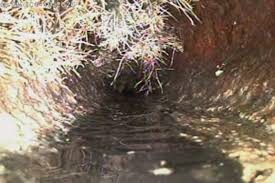
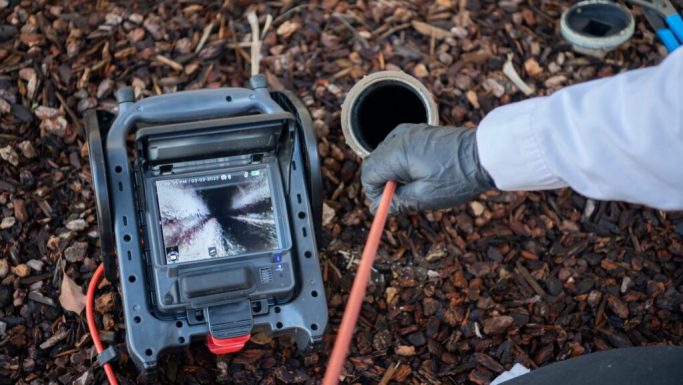
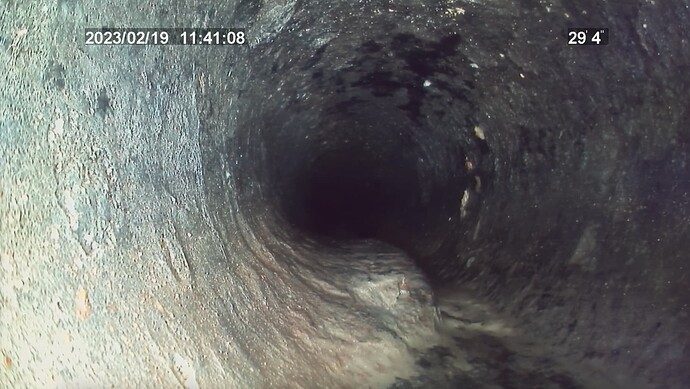
A camera is inserted through a cleanout or drain opening, allowing a clear view inside the pipe in real time.
Important: This inspection focuses only on the main sewer line. It does not include all branch or interior drain lines inside the home.
Benefits
A sewer scope can help uncover problems that aren’t visible during a standard home inspection, such as:
Cracked, broken, or collapsed pipes
Tree root intrusion
Blockages or buildup
Deteriorating or aging sewer lines
Identifying these issues early can help prevent costly surprises. Repairs to a main sewer line can range from a few thousand dollars to $10,000+, depending on the severity and location of the problem. In some cases, full replacement can exceed that range.
Limitations
Only the visible and accessible portions of the main line can be inspected
Heavy blockages or standing water can limit what the camera can see
This inspection cannot predict future performance of the sewer system
We need your consent to load the translations
We use a third-party service to translate the website content that may collect data about your activity. Please review the details in the privacy policy and accept the service to view the translations.